
Maximizing Efficiency with AI-Driven Data Analysis: A Step-by-Step Guide
In today's fast-paced business environment, leveraging AI-driven data analysis is no longer a luxury but a necessity. By harnessing the power of artificial intelligence, businesses can transform raw data into insightful, actionable information. This step-by-step guide will help you maximize efficiency through AI-driven data analysis.
Understanding AI-Driven Data Analysis
AI-driven data analysis involves using advanced algorithms and machine learning techniques to process and analyze vast amounts of data. This approach enables businesses to uncover hidden patterns, predict trends, and make data-driven decisions with greater accuracy and speed.
By integrating AI into data analysis, companies can streamline operations, enhance decision-making, and ultimately, boost profitability. The key lies in understanding how to effectively implement these technologies within your organization.

Step 1: Define Your Objectives
The first step in maximizing efficiency with AI-driven data analysis is to clearly define your objectives. Determine what you want to achieve through data analysis. Are you looking to improve customer satisfaction, optimize supply chain operations, or enhance marketing strategies?
Having a clear objective will guide the entire process, ensuring that your data analysis efforts are focused and aligned with your business goals. Additionally, it will help in selecting the right AI tools and techniques to meet your specific needs.
Identifying Key Data Sources
Once your objectives are set, identify the key data sources that will provide the necessary information. This could include customer databases, sales records, or social media analytics. Ensure that the data is accurate, relevant, and up-to-date.
Step 2: Choose the Right AI Tools
With your objectives and data sources in place, the next step is selecting the appropriate AI tools. Numerous AI platforms offer specialized features for data analysis, such as predictive analytics, natural language processing, and deep learning. Choose tools that align with your requirements and budget.
Consider factors like ease of use, integration capabilities, and scalability when selecting AI tools. Many platforms offer trials or demos, allowing you to test their functionalities before committing.
Implementing AI Solutions
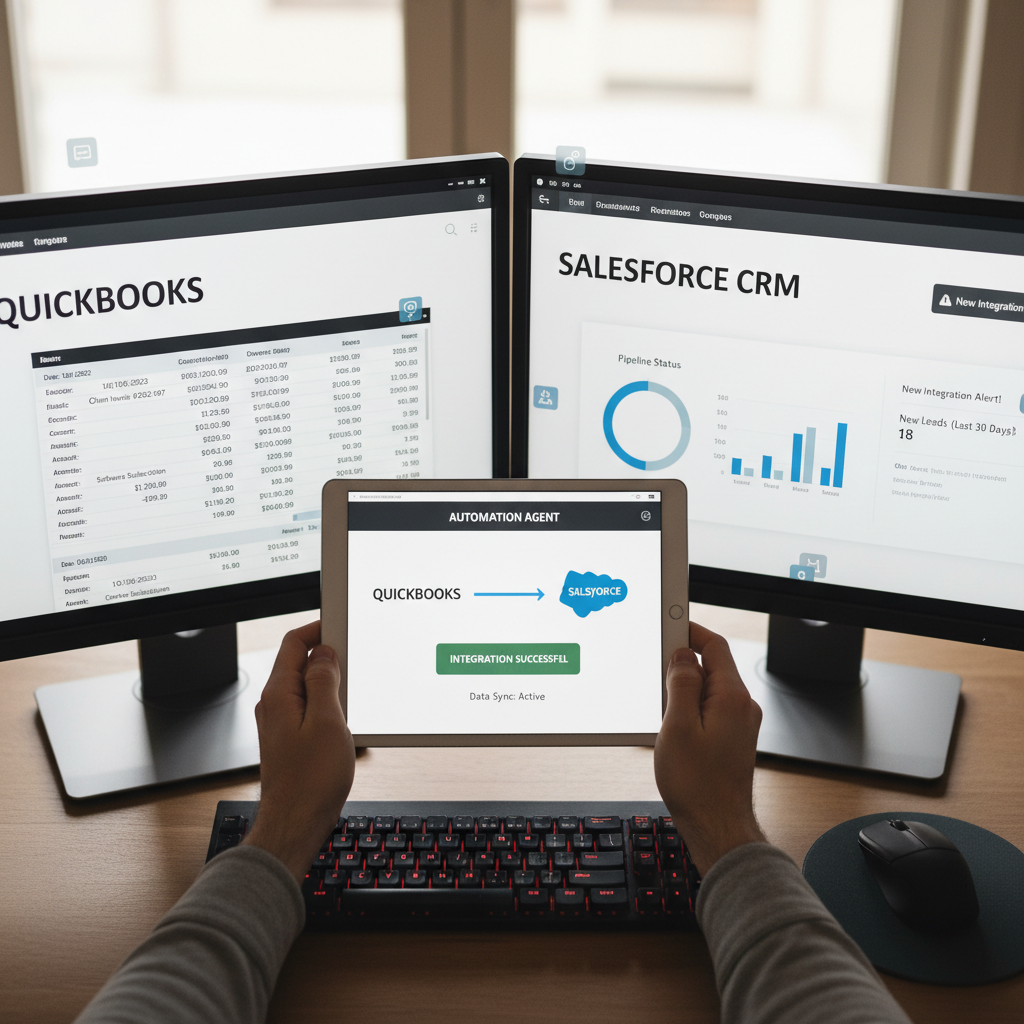
After selecting the right tools, implement them into your existing systems. This may involve integrating AI solutions with current data management systems or setting up new processes for data collection and analysis.
Step 3: Analyze and Interpret Results
Once AI tools are in place, begin analyzing the data. Use the insights generated to identify trends, predict future outcomes, and make informed decisions. AI-driven data analysis can uncover patterns that may not be visible through traditional methods.
It's important to not only rely on AI outputs but also to interpret the results in the context of your business environment. Collaborate with data scientists or analysts to ensure accurate and meaningful interpretations.
Continuously Optimize and Improve
AI-driven data analysis is not a one-time task but an ongoing process. Continuously monitor the performance of your AI systems and refine them as needed. Regularly update your data sources and algorithms to maintain accuracy and relevance.
By following these steps, businesses can harness the full potential of AI-driven data analysis to improve efficiency, drive innovation, and stay competitive in the ever-evolving market landscape.